Logistics & Infrastructure

Transport Efficiency

Analyzing the mechanical and financial structures of Singaporean mobility. From the complexities of COE depreciation to the precision of the MRT network, we break down the true cost of movement.

View Analysis
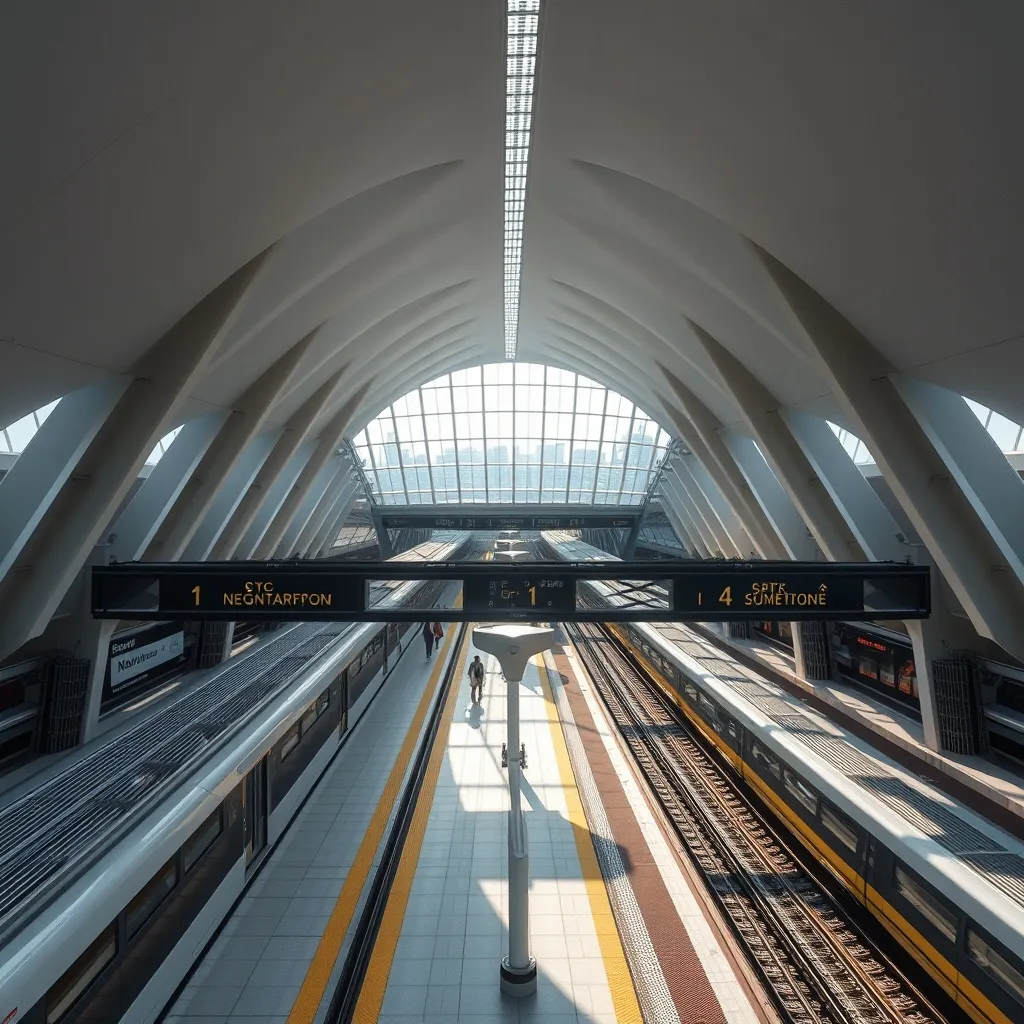
A high-angle architectural shot of a Singapore MRT station a

The Structural Logic of Singaporean Mobility

When we examine the financial framework of a household in Singapore, transportation consistently emerges as one of the three largest expenditure pillars. It is important to understand that mobility here is not merely a matter of convenience but a highly regulated economic system designed to manage urban density. The government’s "Car-Lite" vision fundamentally alters how we must calculate our monthly allocations, shifting the focus from ownership to accessibility.

Attention should be paid to the tiered nature of transport costs. For most families, the decision-making process involves a direct comparison between the high capital expenditure of private vehicle ownership and the highly subsidized, efficient public transit network. Consequently, a failure to account for hidden costs—such as ERP charges, parking levies, and the inevitable depreciation of the Certificate of Entitlement (COE)—can lead to significant budgetary friction.

"Efficiency in transport budgeting is achieved not by choosing the cheapest option, but by aligning the mode of transport with the frequency and distance of recurring family routes."

In this lecture-style guide, we will dissect the mechanisms of public transport, the brutal reality of vehicle depreciation, and the emerging niche of private shuttle services. By the end of this analysis, you should be able to construct a mobility budget that maximizes both time-efficiency and capital preservation. This integrates deeply with our broader Cost of Living Analysis for the Jurong region.

Section 01

Public Transport Logic

The SimplyGo system and the MRT network function as the circulatory system of the city. To optimize this, families must understand the Distance-Based Fares (DBF) mechanism. Unlike flat-fare systems in other global cities, Singapore calculates costs based on the total distance travelled, regardless of transfers between bus and train, provided they occur within the 45-minute transfer window.

  • 01. Transfer Buffers: Up to 5 transfers can be made in a single journey with a 45-minute window between each.
  • 02. Off-Peak Discounts: Utilizing the MRT before 7:45 AM often results in a $0.50 discount on the fare.
  • 03. Concession Optimization: Student and Senior Citizen cards offer significant subsidies that must be leveraged in multi-generational households.

Effective budgeting here requires a granular look at "first-and-last-mile" connectivity. Often, the cost of a short feeder bus ride is negligible when combined with a long-distance MRT trip, yet the time saved is substantial. We recommend reviewing your Jurong District Guide to identify optimal transit hubs near your residence.

A clean, minimalist close-up of a transit map with glowing l
Section 02

Vehicle Depreciation

Owning a car in Singapore is often described as a "liability-heavy" asset. The primary driver of cost is not the fuel, but the linear depreciation of the COE and the Additional Registration Fee (ARF). When you purchase a vehicle, you are essentially paying for a 10-year decaying permit.

The Annual Cost Formula:

Annual Cost = [(Purchase Price - PARF Rebate) / 10] + Insurance + Road Tax + Servicing + Parking + ERP

Consider a standard mid-sized sedan with a $140,000 price tag. After 10 years, the scrap value (PARF) might be $15,000. This means the vehicle loses $12,500 in value every single year, regardless of whether it is driven. Therefore, if your family does not cover at least 15,000km annually, the cost-per-kilometer is mathematically prohibitive compared to private-hire alternatives.

For families managing Risk Mitigation and Reserves, the liquidity tied up in a car can be a significant opportunity cost.

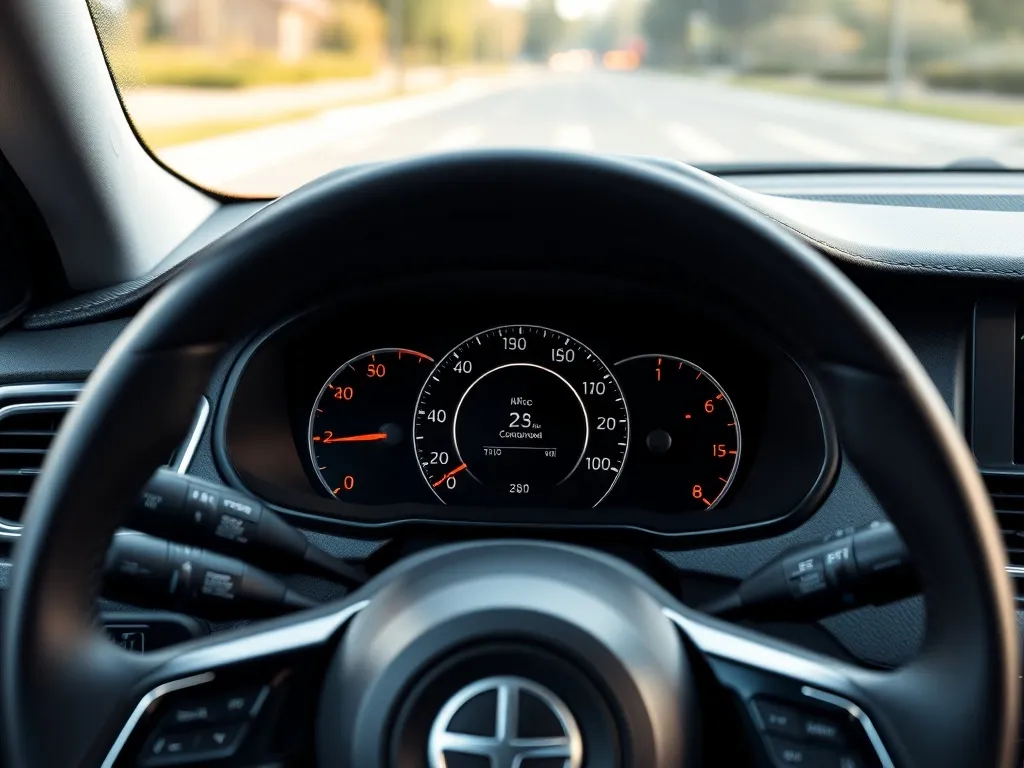
A minimalist interior of a modern car dashboard, focusing on

Mobility Alternatives

Beyond the binary choice of MRT or Car, several hybrid options exist that provide a balance of comfort and fiscal responsibility.

Corporate & Residential

Shuttle Services

Many condominiums and business parks in Jurong offer dedicated shuttle services to the nearest MRT. These are often free or nominal in cost, significantly reducing the "last mile" friction for commuters.

Read logistics guide →
On-Demand

Private Hire Logic

Utilizing Grab or Gojek for family outings can be 40% cheaper than car ownership if used less than 12 times a week. It removes the burden of parking fees and maintenance.

Impact on education →
Active Mobility

PMD & Cycling

With the expansion of the Park Connector Network (PCN), cycling has become a viable transport mode for short-to-medium distances, offering zero-cost mobility and health benefits.

Financial health →

$1,200+

Avg. Monthly Car Expense

150km

MRT Network Span

$0.50

Pre-Peak Fare Discount

10 Years

Standard COE Lifespan

Ready to Recalibrate?

Transportation is just one variable in the family budget equation. Explore our comprehensive guide to managing household procurement and logistics.

The site is intended solely for informational and educational purposes | The materials are reference-only and do not constitute professional financial recommendations | Local Mantel © 2026