Preparation Time Value
When calculating meal costs, one must factor in the opportunity cost of labor. In many cases, a $5 hawker meal is more efficient than a home-cooked equivalent when preparation time exceeds 45 minutes.
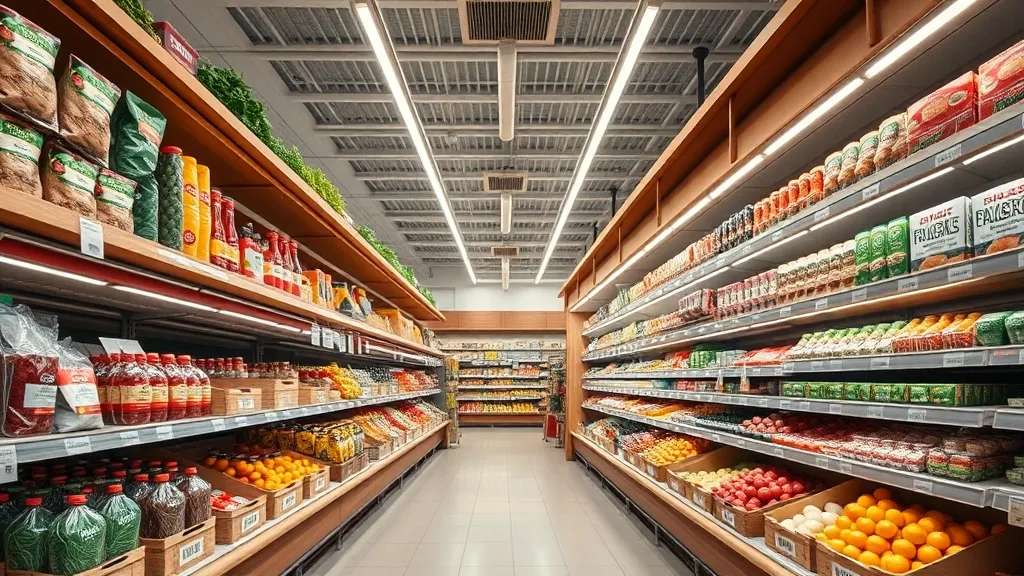
A technical analysis of food logistics and supply chain management for Singaporean households, focusing on cost-efficiency and nutritional density.
Analyze LogisticsEffective budgeting in Singapore requires a granular understanding of the retail landscape. Families must distinguish between wet markets for perishables and supermarket chains for non-perishables to optimize spending. By treating household procurement as a supply chain operation, you can reduce waste and ensure consistent access to high-quality ingredients.
We recommend integrating these practices with your Cost of Living Analysis to identify where grocery expenditures overlap with general household maintenance. Understanding these links is fundamental to long-term financial stability.
Local wet markets offer significant price advantages for fresh proteins and leafy greens compared to air-conditioned supermarket chains. However, supermarkets provide convenience and loyalty points that offset the cost of shelf-stable goods. A balanced approach involves bi-weekly wet market visits for fresh inventory and monthly supermarket rounds for bulk dry goods.
Note: Prices at Jurong West wet markets typically fluctuate based on regional supply chain shifts from neighboring countries.
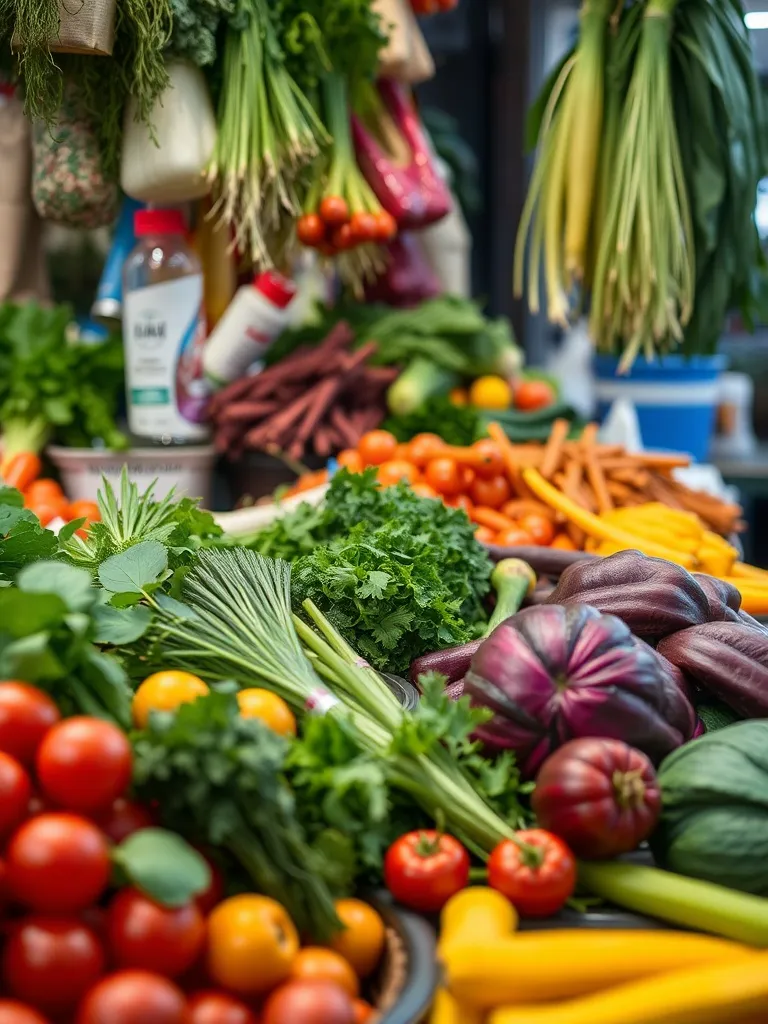

Purchasing non-perishables in bulk—such as rice, oils, and cleaning agents—reduces the unit price by approximately 15-20%. Families should calculate the 'cost per unit' rather than total sticker price to identify true savings. This strategy requires adequate storage space and a disciplined rotation system to prevent inventory expiration.
View Reserve StrategiesMeasuring the economic efficiency of dining out versus home food preparation.
When calculating meal costs, one must factor in the opportunity cost of labor. In many cases, a $5 hawker meal is more efficient than a home-cooked equivalent when preparation time exceeds 45 minutes.
While hawker centers provide affordable calories, home cooking allows for precise control over sodium and fat intake. For families, this represents a long-term investment in health and reduced medical overhead.
Batch cooking on weekends reduces energy consumption and minimizes waste. By preparing five liters of base sauce or stock, a household can reduce weekday cooking times by 60%.
"Procurement is not merely about finding the lowest price; it is about establishing a sustainable rhythm that supports the family's metabolic and financial health."— Procurement Specialist, Local Mantel
Ready to transition from reactive shopping to a planned procurement system? Download our Jurong-specific market map and bulk buying spreadsheet.