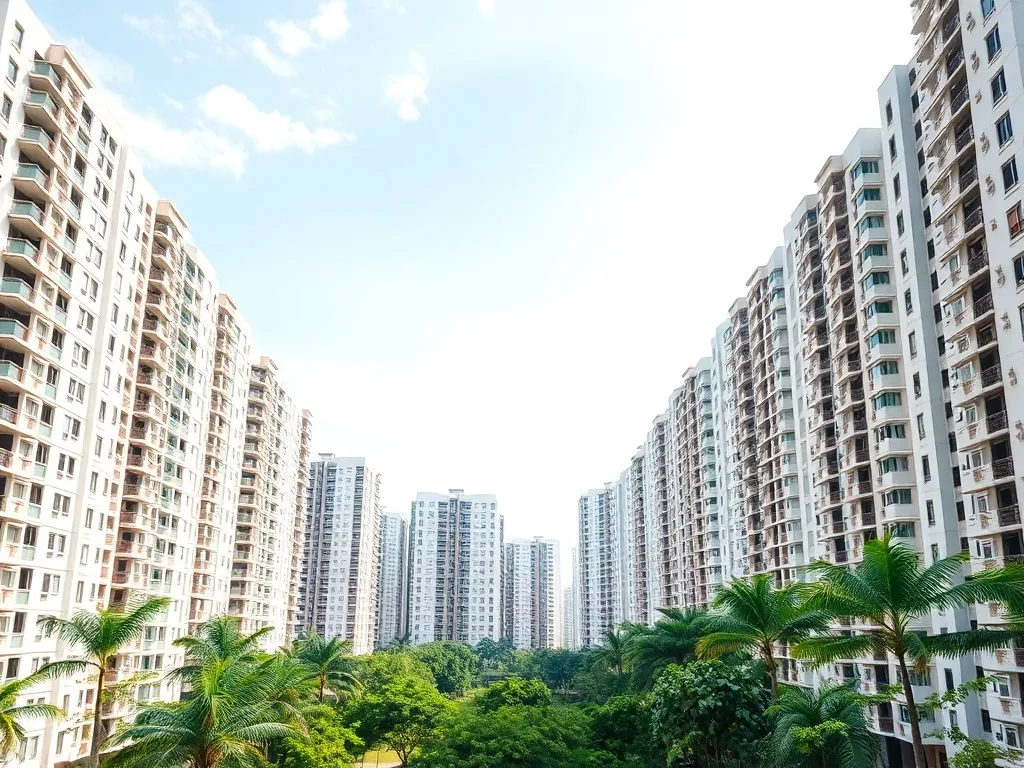
A wide architectural shot of Jurong East skyline with modern
District Analysis 2024

Family Budgeting in Jurong

A technical breakdown of cost structures for families residing in Singapore's West Region. We evaluate the intersection of housing, transport, and local amenities to optimize household liquidity.

Explore Data
Financial Framework

Understanding Expenditure Variables

Why is Jurong categorized as a high-efficiency zone?

The "efficiency" of a district is measured by the ratio of amenity density to transport costs. Jurong East serves as a regional hub, reducing the necessity for expensive private transport. Families can effectively substitute car ownership with high-frequency MRT and bus intersections, redirecting approximately $1,200–$2,000 monthly toward long-term savings or education.

How should education reserves be calculated?

Education costs in Singapore involve more than just tuition fees. One must account for enrichment programmes, transport to specialized centers, and materials. We recommend a "tiered allocation" model where 15% of the household budget is ring-fenced specifically for developmental activities, as discussed in our Education and Enrichment Expenses guide.

What are the hidden costs of West Region living?

While Jurong offers competitive grocery pricing through large-scale wholesalers, utility fluctuations due to high-density cooling requirements can impact the bottom line. It is essential to integrate seasonal adjustments into your Cost of Living Analysis to avoid liquidity shortages during peak heat months.

Strategic Benefits

Why Jurong for Family Stability?

shape-b

Proximity to Hubs

Direct access to the International Business Park and Jurong Innovation District reduces commute times, effectively increasing "time-wealth" for working parents.

Grocery Logistics

Utilization of bulk-purchase centers in the Jurong West industrial periphery allows families to reduce household procurement costs by up to 18% annually.

Future Assets

The ongoing development of the Jurong Lake District ensures long-term property value resilience, making family-owned HDBs or condos a stable financial anchor.

The Mechanics of Allocation

To maintain a sustainable family budget in Singapore, one must view income not as a single pool, but as a series of functional buckets. In the Jurong context, we have observed that successful families utilize a 50/30/20 rule modified for high-cost urban environments. This means 50% for essentials, 30% for financial obligations (mortgage/insurance), and 20% for future-proofing.

Special attention must be paid to the Central Provident Fund (CPF) integration. Proper use of the Ordinary Account (OA) for housing installments can free up significant cash flow, which should then be diverted into liquid emergency funds. Check our guide on CPF and Tax Optimization for specific technical strategies.

"Data suggests that families in Jurong West spend 12% less on leisure travel compared to the central region, primarily due to the localized recreational offerings of Jurong Lake Gardens."

A clean desk with a calculator, a notebook with financial ch
Fig. 1: Recommended data-entry workflow for monthly audits.
Resource Library

Expand Your Financial Literacy

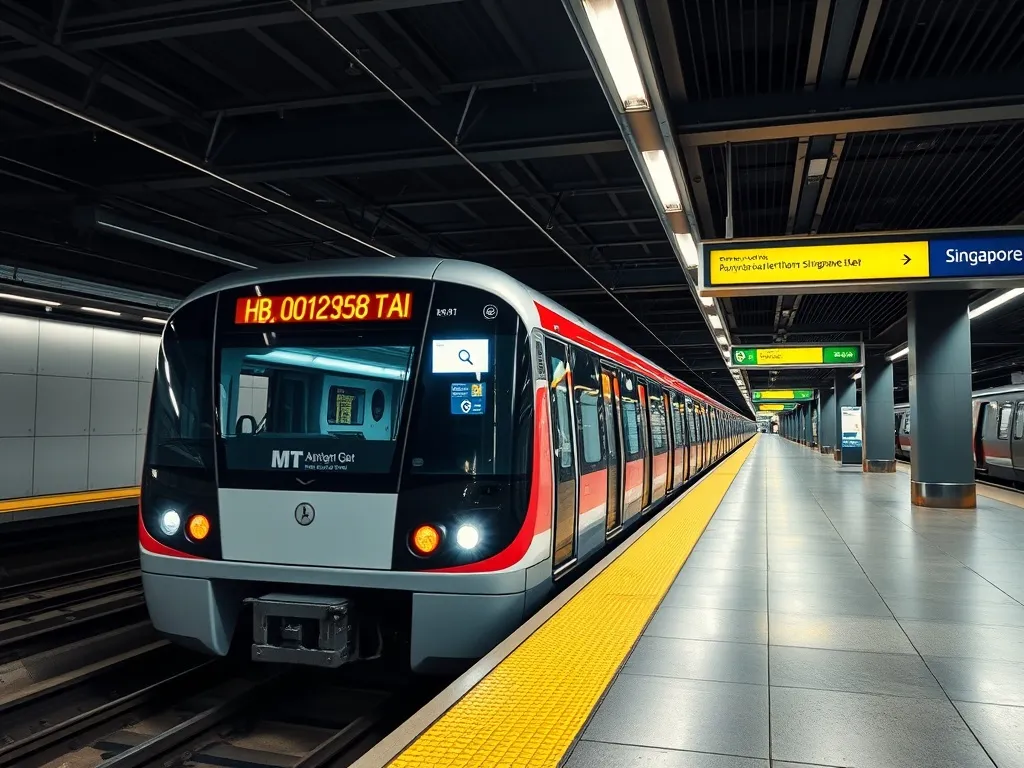
A modern Singapore MRT train arriving at a station, clean pr

Mobility and Transport Efficiency

Analyzing the cost-benefit of public transit versus private car ownership in the West Region.

Read Analysis
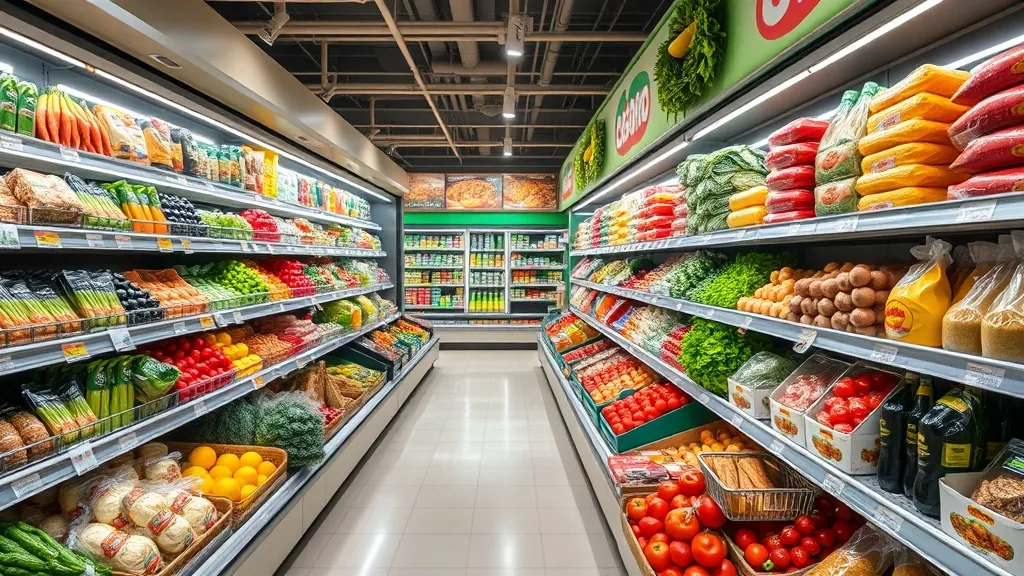
A neatly organized grocery store aisle with fresh produce in

Grocery and Household Procurement

Strategies for bulk purchasing and sourcing fresh goods from Jurong's wholesale markets.

Read Analysis
A glass jar with gold coins inside on a wooden table, blurre

Risk Mitigation and Reserves

Building a 6-month safety net tailored to the specific economic volatility of urban families.

Read Analysis

This website serves as an independent reference project | It is not affiliated with government agencies, public organizations, commercial suppliers, or specific brand owners.